
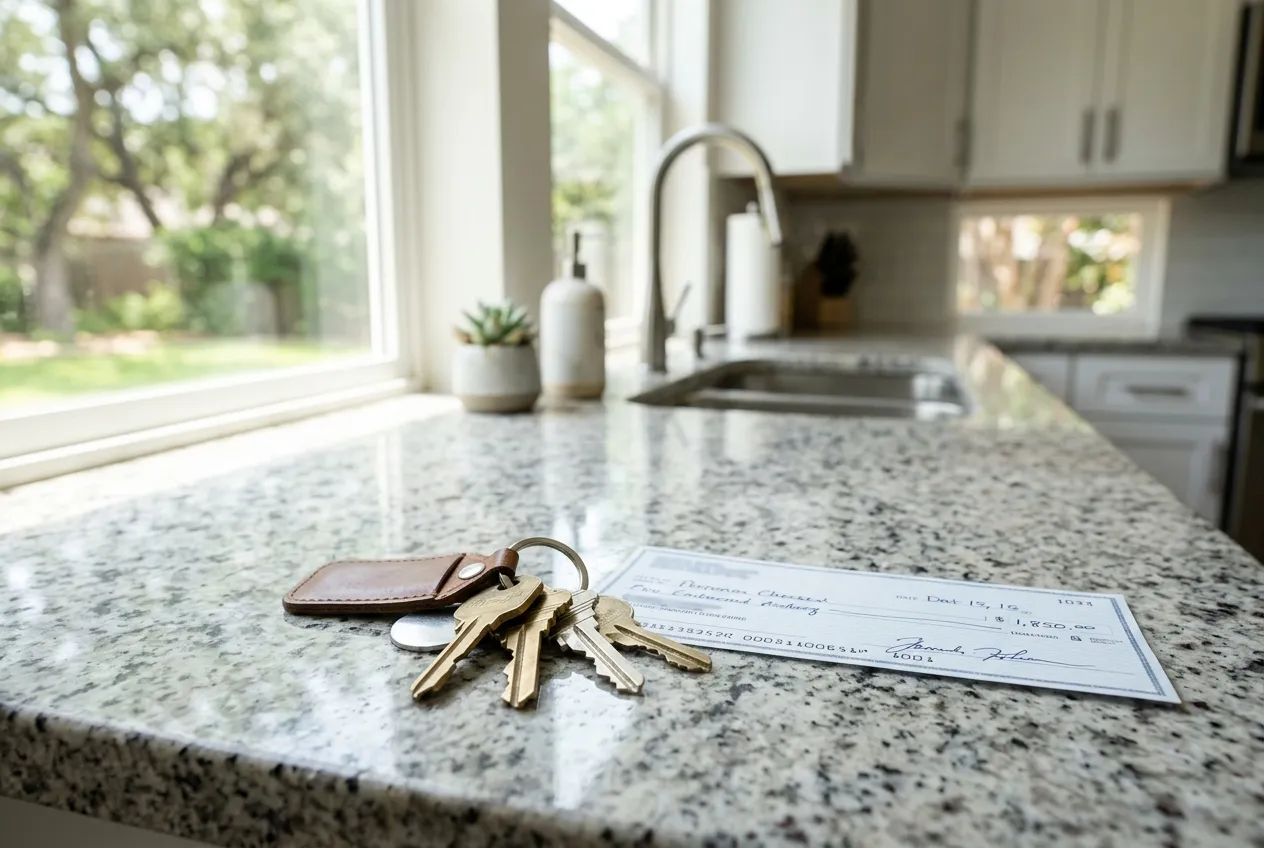
Security deposits are one of the most common sources of disputes between landlords and tenants in Texas. The rules are straightforward, but mistakes can be expensive. A landlord who mishandles a security deposit can end up owing $100 plus three times the wrongfully withheld amount, plus attorney fees.
Here is everything you need to know about Texas security deposit laws.
What Texas Law Says About Security Deposits
Security deposit rules in Texas are covered under Sections 92.101 through 92.109 of the Texas Property Code. These sections govern how much you can charge, what you can deduct, when you must return the deposit, and what happens if you fail to comply.
How Much Can You Charge?
Texas has no statutory limit on security deposit amounts for residential rentals. Unlike states such as California or New York that cap deposits at one or two months of rent, Texas landlords can set any amount they consider appropriate.
That said, the market sets practical limits. In the Austin metro, most landlords charge one month of rent as a security deposit. Charging significantly more than that can make your property less competitive and slow down your leasing timeline.
Pet deposits are also common. Many landlords charge a separate pet deposit of $200 to $500 in addition to the standard security deposit. Texas law treats pet deposits the same as regular security deposits for purposes of the return and deduction rules.
The 30-Day Return Rule
This is the most important deadline in Texas security deposit law. After a tenant moves out, you have 30 days to either:
- Return the full security deposit, or
- Return the remaining balance along with a written, itemized list of deductions
The 30-day clock starts when the tenant surrenders the property. This means the date they move out and return the keys, not the date the lease ends. If a tenant moves out on March 5 but the lease runs through March 31, your 30 days start on March 5.
The refund and itemized statement must be mailed to the tenant’s forwarding address. If the tenant does not provide a forwarding address, you are not obligated to return the deposit until they do. However, you should make a documented effort to request the forwarding address at move-out.
What You Can Deduct
Landlords may deduct for:
- Damage beyond normal wear and tear. A hole punched in the wall is damage. Nail holes from hanging pictures are normal wear and tear.
- Unpaid rent. If the tenant owed rent at move-out, you can deduct it from the deposit.
- Cleaning costs to restore the property to the condition it was in at move-in (accounting for normal wear and tear).
- Early termination fees if specified in the lease and the tenant broke the lease.
- Unreturned keys or access devices.
You cannot deduct for:
- Normal wear and tear (faded paint, worn carpet in high-traffic areas, minor scuffs)
- Pre-existing damage that was present at move-in
- Repairs needed due to the landlord’s own deferred maintenance
The Importance of Documentation
Strong documentation is your best defense in any security deposit dispute. Build a system that includes:
Move-In Inspection
Walk the property with the tenant before they take possession. Use a standardized checklist that covers every room, surface, appliance, and fixture. Take timestamped photos and have the tenant sign the completed checklist.
Move-Out Inspection
Repeat the same process at move-out. Compare the condition against the move-in report. Take photos of any damage. Note specific items that require repair or cleaning.
Keep Receipts
If you make deductions, keep invoices and receipts for the actual repair work performed. Courts may require you to prove the cost of repairs you deducted.
Penalties for Non-Compliance
Texas law provides serious consequences for landlords who mishandle security deposits:
- If you retain the deposit in bad faith, you can be liable for $100 plus three times the portion of the deposit wrongfully withheld, plus the tenant’s reasonable attorney fees.
- The presumption shifts to bad faith if you do not return the deposit or provide an itemized list within the 30-day window.
This means that a $1,500 security deposit wrongfully withheld in bad faith could cost you $4,600 (the $100 statutory penalty plus three times $1,500) plus attorney fees. The math makes compliance the only sensible approach.
Holding the Deposit During Tenancy
Texas law does not require landlords to hold security deposits in a separate account, nor does it require you to pay interest on the deposit. This differs from states like Connecticut or Maryland that mandate separate escrow accounts.
However, keeping deposits in a dedicated account is a smart business practice. It ensures the funds are available when needed and creates clean accounting records.
Common Mistakes Landlords Make
Charging for Normal Wear and Tear
This is the most frequent issue. Carpet that is worn after five years of use is normal wear and tear, not tenant damage. Paint that has faded or shows minor marks after a full lease term is expected. Charging tenants for these items will not hold up in court.
Missing the 30-Day Deadline
Courts take this deadline seriously. Mark it on your calendar the day the tenant moves out. If you need contractor estimates for repair work, start that process immediately.
Failing to Provide an Itemized List
Even if your deductions are legitimate, failing to provide a written, itemized accounting creates a presumption of bad faith. Always send the list, even if the tenant owes more than the deposit covers.
Not Documenting Move-In Condition
Without a signed move-in inspection, you have no baseline to prove damage occurred during the tenancy. The tenant’s word becomes as valid as yours, which makes defending deductions extremely difficult.
Deducting Without Receipts
Estimating repair costs without documentation is not sufficient. Get actual invoices for work performed. If you do the work yourself, document your time and materials at a reasonable rate.
Security Deposit Best Practices
- Use a standardized move-in and move-out checklist with photos for every property.
- Process the deposit return within two weeks rather than waiting the full 30 days. This reduces disputes and shows good faith.
- Send the itemized statement via certified mail so you have proof of delivery.
- Keep copies of everything for at least four years (the statute of limitations for property damage claims in Texas).
- Be fair with deductions. Aggressive deductions lead to disputes, and courts tend to favor tenants when landlords are unreasonable.
How Property Management Helps
Security deposit handling is one of the areas where professional property management pays for itself. At Kendall Creek Properties, we manage the entire deposit lifecycle: standardized inspections, thorough documentation, timely processing, and compliant itemized statements. Our property owners never have to worry about missed deadlines or improper deductions.
If you are managing deposits on your own, build a system and follow it every time. Consistency is both your legal protection and your best business practice.
More property management resources: